Pedro Cunha
University of Coimbra, PORTUGAL, Portugal
- This delegate is presenting an abstract at this event.
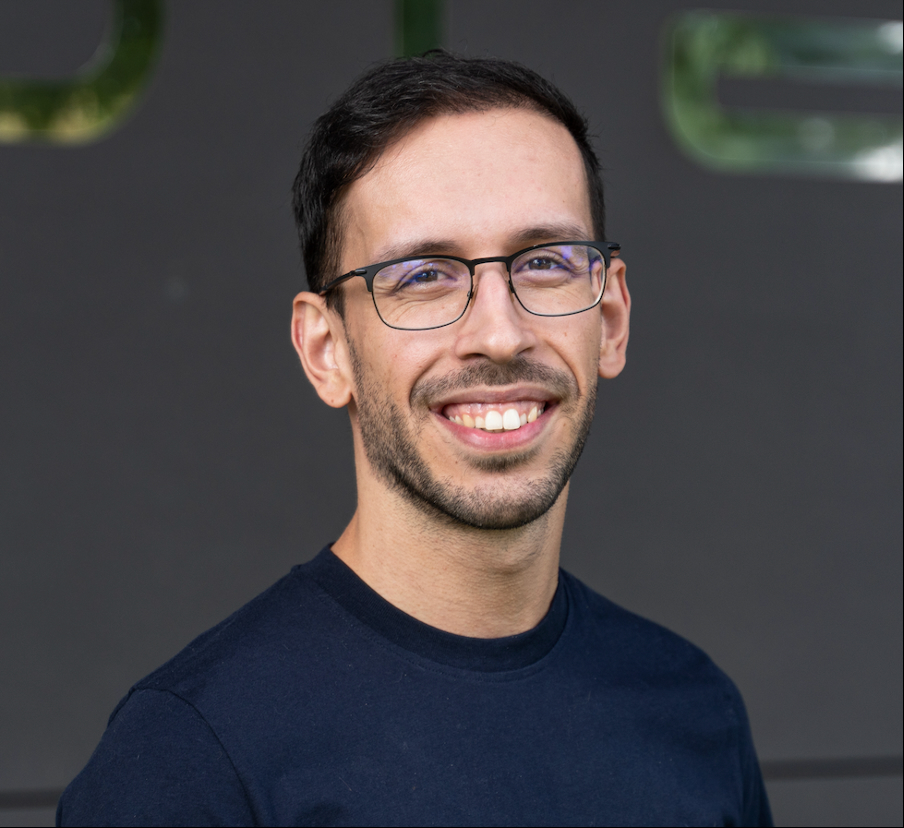
I am an early-career researcher (PhD awarded in November 2022) with a strong interest in immunology, particularly in the study of the mechanisms of cellular adaptation to metabolic stress. My specific research ambitions are to advance scientific knowledge and develop novel immunotherapeutic strategies to improve clinical treatments for cancer and autoimmunity. My academic path has spanned several disciplines including biochemistry, cellular and molecular biology and immunology, resulting in 20 peer-reviewed publications to date with over 600 citations. My academic background includes a BSc in Biochemistry and an MSc in Cellular and Molecular Biology at the University of Coimbra (Portugal), with laboratory training in the group of Professor Pedroso de Lima, an expert in non-viral vectors and cancer treatment. I was then awarded an FCT PhD fellowship to conduct my graduate studies at the University of Cambridge (UK) in the group of Prof. Randall Johnson, an expert in hypoxic stress physiology, and I also joined his group at the Karolinska Institute (Sweden) as a visiting researcher. My research has focused on using gene editing to study and/or modulate cellular stress in disease settings. During my MSc, I worked on targeted gene editing to sensitize glioblastoma cells to systemic chemotherapy. For my PhD, I studied the hypoxic response of T cells and how it could be harnessed to improve CAR-T cell therapy. In my current postdoctoral position, I am working with a dendritic cell reprogramming platform to characterise metabolic adaptations during immune cell engineering. This work resulted in 3 original first-author and 1 co-first author publications, including one describing a novel strategy based on the fine-tuning of oxygen levels to boost T cell-based immunotherapy (eLife; PMID: 37166103) and another describing the previously unknown role of T cell intrinsic nitric oxide in facilitating tumour infiltration (Cancer Immunology Research; PMID: 36574610). I have also engaged in several collaborative projects. My contributions resulted in 7 original second-author manuscripts, including one describing the role of glutarate as a new immunometabolite in T cells (Nature Metabolism; PMID: 37605057) and another employing a targeted delivery of nucleic acids to glioblastoma using lipid-based nanoparticles (Journal of Controlled Release; PMID: 25861727). I also attended and presented at 12 scientific conferences, having won best Poster presentation prizes on two occasions. To pursue my career path in innovative immunology-related projects, after my PhD I joined the laboratory of Dr. Filipe Pereira (CIBB, Coimbra), who is at the forefront of using direct cellular reprogramming to generate dendritic cells, a rare subset of immune cells with therapeutic potential, as recently published (Science, PMID: 39236156). Since joining the group, I have contributed to the discovery of transcription factor codes to additional dendritic cell subsets (Immunity, PMID: 40885192). Currently I am using the dendritic cell reprogramming platform to dissect the metabolic determinants of in vivo dendritic cell reprogramming. Data on the determinants of dendritic cells type 1 is being prepared for submission. My ultimate goal with this project is to improve the next generation of in vivo cell-editing based immunotherapies.